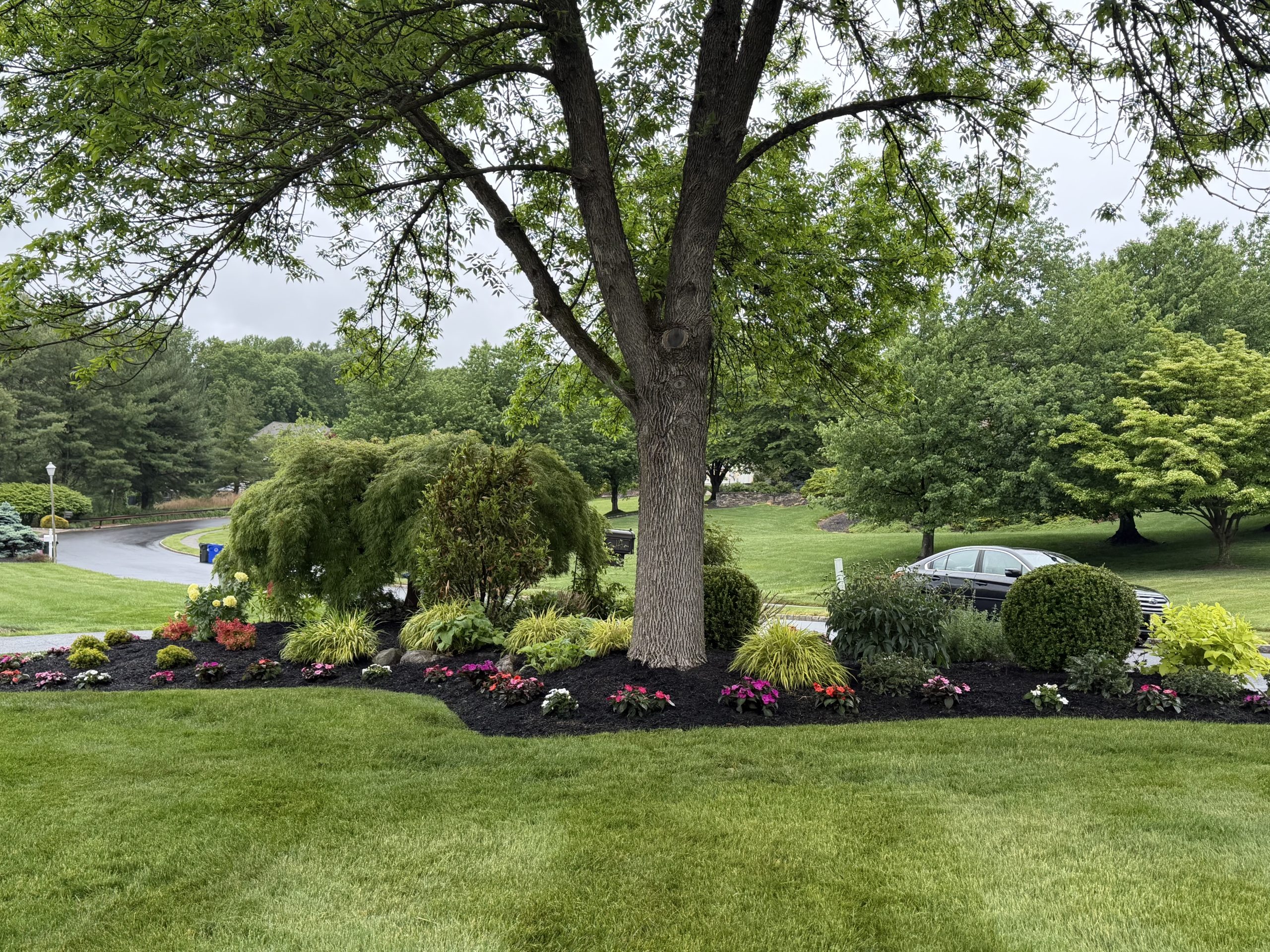
Weekly yard work feels manageable when the landscape is working with you, not against you. That usually comes down to maintenance decisions made long before Saturday morning. A yard with oversized planting beds, thirsty annuals, fast-growing shrubs, and scattered edging materials will ask for attention every few days. A yard built around sensible spacing, mulch, durable plants, and efficient routines can look sharp with far less effort.
That distinction matters more than most homeowners expect. The goal of good landscape maintenance is not just to keep things alive. It is to reduce friction. You want fewer weeds to pull, less trimming to do, less wasted water, and fewer recurring messes that turn a quick tidy-up into a half-day project. The best-maintained landscapes are rarely the ones receiving constant rescue work. They are the ones designed and managed to stay stable between visits.
I have seen the same pattern play out across very different properties, from compact suburban lots to larger family yards with mature trees and mixed planting beds. The people who spend the least time fighting their landscapes are not necessarily doing more work. They are doing more decisive work. They are preventing problems instead of reacting to them.
Start by reducing the causes of weekly chores
If your yard seems to generate endless tasks, the first question is not how to work faster. It is why the work keeps returning.
Take weeding. Most people treat weeds as a pulling problem, but they are usually a light, soil, and coverage problem. Bare ground invites weed seed. Thin mulch breaks down and exposes soil. Shrubs planted too far apart leave open space for years. Lawn edges that are not defined become ragged, and that ragged transition traps debris and encourages unwanted growth. When those conditions persist, weeding becomes a weekly ritual.
The same logic applies to pruning. Shrubs that are too large for their space need constant cutting. Ornamental grasses planted near walkways flop into traffic. Groundcovers with aggressive spreaders creep into turf and beds. If every week involves snipping things back, the issue is often plant selection or placement rather than maintenance discipline.
A simpler yard begins with fewer recurring corrections. That might mean shrinking the lawn by one awkward strip that is hard to mow, replacing fussy annual color with dependable perennials, or removing a row of shrubs that have needed hard pruning twice a year for a decade. These are not glamorous changes, but they save more time than any gadget sold as a maintenance shortcut.
Mulch does more work than most people realize
If I had to choose one material that consistently reduces weekly yard labor, it would be mulch. Applied correctly, mulch suppresses weed germination, moderates soil temperature, slows moisture loss, and keeps irrigation splash from throwing soil onto leaves and hard surfaces. It also makes a property look maintained even between detailed cleanups.
The key phrase is applied correctly. Many beds are either under-mulched or mulched the wrong way. A thin dusting does very little once summer heat and wind dry it out. Mulch piled against tree trunks and shrub crowns creates moisture problems and can encourage decay. What works in most beds is a consistent layer of roughly two to three inches, feathered back from trunks and stems so the base of the plant can breathe.
Fresh mulch also helps with weekly cleanup in less obvious ways. It keeps rain from crusting exposed soil, so footprints and pet traffic do less visible damage. It gives fallen leaves and twigs a clear surface to sit on, which makes blowing or raking faster. When beds have a uniform mulch layer and a distinct edge, the entire landscape reads as cleaner, even if you have not touched every corner.
Timing matters too. A spring refresh is common, but not every bed needs to be fully remulched every year. Often a light top-up in areas that have thinned is enough. Overapplying mulch year after year creates its own headaches. It can bury root flares, raise grade against edging, and turn crisp bed lines into rounded mounds that shed water poorly.
Put your lawn on a schedule, not on your nerves
Lawn care tends to dominate weekly yard work because it grows fast and shows neglect quickly. The trick is to make mowing and turf upkeep predictable.
Mowing height is one of the easiest ways to reduce labor. Grass cut too short grows back under stress, dries out faster, and leaves room for weeds to move in. Grass kept a bit higher, within the recommended range for the variety, shades the soil and develops deeper roots. In practical terms, that usually means less watering, fewer thin patches, and fewer emergency fixes. For many cool-season lawns, a mowing height around three to four inches during active growth is a reasonable target. Warm-season grasses vary more, so the ideal height depends on the species.
Frequency matters less than consistency. If you wait too long, the mower bogs down, clippings clump, and the lawn looks scalped after a heavy cut. A regular pass each week during peak growth is easier than trying to catch up after ten days of rain and heat. During slower periods, you can often stretch the interval.
Sharp mower blades are another unglamorous detail with outsized impact. Dull blades tear rather than cut. The lawn takes on a grayish cast, tips fray, and disease pressure can increase. A sharp blade leaves a cleaner finish and often shortens the time you spend making a second pass over stragglers.
For homeowners trying to simplify, lawn shape is also worth attention. Narrow strips, acute corners, and isolated patches around trees eat time. Every extra turn of the mower and every section that requires string trimming adds minutes that stack up over a season. If part of the lawn is awkward enough that you dread mowing it, that area is a candidate for conversion to bed space, groundcover, or a wider mulched ring around trees.
Water deeply enough that you can water less often
A surprising amount of landscape maintenance is created by shallow watering. Frequent light irrigation encourages roots to stay near the surface, where they dry out quickly. Plants become dependent on regular sips, and the landscape starts asking for attention every few days in warm weather.
Deep, less frequent watering usually creates better results and a more forgiving schedule. Lawns, shrubs, and perennials all respond well when water penetrates beyond the top inch or two of soil. The exact interval depends on soil type, sun exposure, and season, but the principle holds. You want moisture to move downward so roots have a reason to follow.
Morning is generally the best time to water. Foliage dries faster, evaporation is lower than in the heat of the day, and you are less likely to leave plants damp overnight. If you use sprinklers, spend one session each season checking their coverage. Heads get bumped. Spray patterns shift. One zone may be oversaturating the driveway while another leaves a dry arc near the sidewalk. A simple adjustment can prevent months of uneven growth and the spot repairs that follow.
Drip irrigation or soaker hoses can be especially useful in planting beds. They put water near the https://juliuscobd193.publishlane.com/posts/landscape-maintenance-to-keep-outdoor-spaces-neat-year-round root zone and reduce waste on mulch and hardscape. They also cut down on foliar wetness, which is helpful for plants prone to mildew or leaf spot. That said, they are not maintenance-free. Emitters clog, lines get damaged, and poorly anchored tubing can surface and look messy. They save time when installed thoughtfully and checked periodically.
Choose plants that stop asking for rescue
A low-maintenance landscape is usually built one plant decision at a time. The easiest weekly yard work is the work you never create.
Homeowners often fall into a common trap. They shop by appearance during peak bloom, then spend years compensating for a plant that never really fit the site. Full-sun perennials stretched in shade, foundation shrubs squeezed under windows, moisture-loving plants in dry strips near driveways, and fast growers installed under eaves all become repeat chores.
A better approach is to think in terms of mature size, growth habit, and tolerance for local conditions. If a shrub naturally matures at four feet wide, planting it in a three-foot space beside a walkway guarantees future trimming. If a perennial flops unless it is cut back or staked, that trait should count against it if your goal is easy maintenance. Reliable structure matters more than flashy spring performance when you are trying to simplify the weekly routine.
Native and regionally adapted plants often perform well with less intervention, though "native" is not automatically synonymous with tidy or low-maintenance. Some native species self-seed freely, spread aggressively, or look best with seasonal cutbacks. The point is not to follow a label. It is to choose plants whose natural behavior matches the role you need them to play.
The most useful planting combinations tend to fill space without smothering neighbors. They shade the soil, hold their shape, and age gracefully. A bed that closes canopy over time will naturally reduce weed pressure. A shrub border with proper spacing will need selective pruning, not constant shearing. Those differences save hours across a season.
Prune for plant health, not for constant control
Pruning is one of the most misunderstood parts of landscape maintenance. Many homeowners prune too often, too broadly, or at the wrong time of year, then wonder why the yard keeps producing more work.
The first shift is mental. Not every plant needs regular pruning. Trees may need structural attention when young and occasional deadwood removal later on, but they should not be clipped simply because they exist. Shrubs vary. Some benefit from thinning cuts that remove older interior stems. Others need little more than cleanup of damaged growth. Repeated shearing creates dense outer shells that force growth toward the surface, which often means even more trimming down the road.
When pruning is necessary, restraint usually beats volume. A few well-placed cuts that improve airflow, reduce crossing branches, or bring a plant back within its intended footprint are more effective than flattening every surface into a hedge-like shape. I have seen mature shrubs recover beautifully from selective pruning after years of routine shearing had made them brittle, leggy, and high-maintenance.
Timing affects labor too. Spring-flowering shrubs often set buds on old wood, so heavy pruning at the wrong time sacrifices bloom and stimulates unnecessary regrowth. Summer-flowering plants are different. Ornamental grasses are usually easiest to cut back once a year before new growth surges. Perennials vary by species. The practical lesson is simple: prune with a reason, not out of habit.
Clean bed edges once, enjoy them for weeks
A crisp edge does more than improve curb appeal. It creates order. It separates turf from beds, helps mulch stay put, and gives mowing a clear line to follow. When edges blur, grass creeps into beds, mulch drifts into lawn, and every weekly pass takes longer.
Edging does not have to mean installing expensive hardscape. In many yards, a simple cut edge maintained periodically is enough. The important part is consistency. A bed edge that is redefined a few times during the growing season saves repeated touch-up trimming every week. If you prefer a physical edging material, choose one that matches your maintenance habits. Some products look neat initially but heave, trap debris, or complicate mowing.
This is a good place to be honest about trade-offs. Decorative stone around every bed may reduce mulch replacement, but it often increases cleanup because leaves, acorns, and small weeds lodge between rocks. Ground fabric under stone sounds efficient until organic matter collects on top and creates a seedbed anyway. At that point, you are weeding through rock instead of mulch, which is rarely an improvement.
For many properties, a modestly sized mulched bed with a clean edge is still the easiest system to maintain. It is forgiving, easy to refresh, and simpler to adjust as plants mature.
Build a weekly routine that prevents backlog
The most efficient yard care routine is rarely a marathon. It is a sequence of short, repeatable actions that stop small issues from compounding.
Here is a practical weekly flow that works well for many homeowners:
Walk the property first, before starting any tool, and note what actually needs attention. Mow and trim in one pass while growth is dry and visibility is good. Spot-weed beds and remove spent blooms before they seed or collapse. Check irrigation, containers, and any stressed plants while you are already outside. Finish with a quick blow-off of walks, patio edges, and the driveway.That sort of order matters because it reduces doubling back. The initial walk keeps you from wasting time on autopilot tasks. Mowing first clears the visual field, so bed touch-ups are easier to judge. Ending with hard-surface cleanup gives the whole property a finished look, even if you did not do a deep grooming session in every planting area.
For smaller yards, that routine may take under an hour in a typical week. For larger landscapes, it may stretch longer, but the principle stays the same. Keep the rhythm steady enough that no single task turns into a recovery project.
Know which jobs are worth outsourcing
Simplifying yard work does not always mean doing everything yourself more efficiently. Sometimes it means recognizing which tasks offer poor returns for your time, tools, or skill level.
Tree work is the obvious example. Anything involving climbing, chainsaws overhead, large limbs, or work near utility lines belongs with trained professionals. The same goes for diagnosing declining mature trees where improper cuts can cause permanent damage. Irrigation repairs can be another threshold. Replacing a broken sprinkler head is straightforward. Tracking down a valve issue or pressure problem across multiple zones can consume an entire weekend.
There is also a seasonal outsourcing logic that many homeowners overlook. Hiring out one annual mulch refresh, spring cleanup, or fall leaf removal can stabilize the property enough that the weekly routine becomes much lighter. If a single professional visit prevents months of catch-up labor, it may be the most cost-effective decision you make.
A sensible dividing line looks something like this:
| Worth doing yourself | Often worth hiring out | |---|---| | routine mowing, light weeding, deadheading | tree pruning beyond reach, removals, stump grinding | | seasonal bed touch-ups and mulch top-ups | irrigation troubleshooting across multiple zones | | simple shrub thinning and cleanup cuts | large-scale hedge reduction or overgrown property resets | | checking drainage after storms | grading corrections and drainage installation | | monitoring plant health and watering needs | pesticide applications where licensing is required |
The point is not to avoid effort. It is to spend your effort where it actually simplifies future maintenance.
Watch the trouble spots that create repeat work
Every yard has a few areas that generate a disproportionate share of chores. They are usually predictable. The north side that stays damp and grows moss. The narrow strip by the driveway that bakes in reflected heat. The low corner where runoff settles after a storm. The fence line where weeds creep in from a neighboring lot.
When you identify those spots, treat them as systems, not annoyances. A damp area may need improved airflow, less irrigation overlap, or a plant palette that tolerates moisture better. A hot strip may need tougher plants and a thicker mulch layer, not more frequent watering. A recurring drainage issue might call for grading or a shallow swale rather than endless reseeding.
This is where experience matters. Weekly maintenance often feels hardest in areas where the original site conditions were never addressed. If one bed always looks rough despite your effort, assume the site is telling you something. Sun exposure, root competition from mature trees, compacted soil, and poor drainage are all common hidden drivers of extra labor.
The real shortcut is fewer corrections
People often look for yard care shortcuts in products, tools, or strict scheduling systems. Some of those can help. A good blower saves time. A lightweight hose is easier to use. A mower that handles your terrain cleanly matters. But the larger savings usually come from reducing the number of things that need correction each week.
That means fewer plants fighting their location, fewer edges breaking down, fewer bare patches inviting weeds, fewer irrigation misses, and fewer oversized shrubs demanding repeated cuts. It means designing and maintaining the landscape so that normal growth still looks intentional.
Once that happens, weekly yard work changes character. It stops feeling like a battle to reclaim the property and starts feeling like a simple round of check-ins. You mow what grew, pull what popped up, water what needs it, and move on. The yard still asks for care, but it no longer demands rescue.
That is the practical promise of smart landscape maintenance. Not a perfect landscape, and not a yard that never needs attention, but one that holds its shape, recovers well, and gives you back your weekends more often than not.
Majestic Mowing & Landscaping LLC
Phone number: +19733975532
FAQ About Landscape Maintenance
What is landscape maintenance?
Landscape maintenance is the ongoing care, cleaning, and upkeep of outdoor green spaces to keep them healthy, safe, and attractive.
Is $100 an hour too much for landscape work?
An hourly rate of $100 is not too much for specialized or professional landscape work, though it sits at the higher end of the standard pricing spectrum.
How much do landscapers charge for maintenance?
For professional landscaping maintenance, homeowners typically pay $100 to $410 per month for recurring services, or an hourly labor rate of $50 to $100 per hour per crew member.